

More Than Scenery: Why Horses Still Matter in Scott County
Entering or leaving Scott County on any road, it is more likely than not that you’ll drive by a horse farm. Horses are deeply rooted in our community and are a driving component of the Central Kentucky economy. The calendars of many individuals and businesses throughout the region are set based on what is happening in the equine industry. From breeding, to racing, to sales, to competitions, to retirements, the cycle never stops.
But over time, our daily dependence on horses has diminished. It wasn’t long ago that horses served as the primary method of transportation, especially in rural and farming communities. In fact, we are just two or three generations removed from when most Kentucky families would have relied on a horse for daily living. Fast forward to today and many people’s exposure to horses is limited to television, maybe the first Saturday in May or watching a rerun of “Yellowstone.”
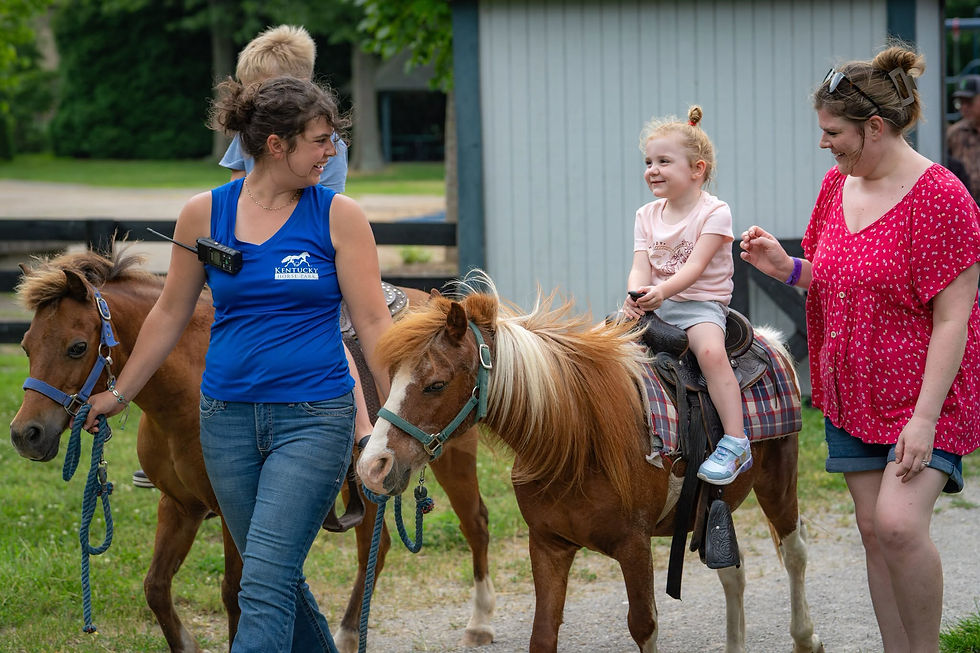
It is easy for those living in Central Kentucky to take for granted these special creatures. To become numb to their presence as you do with the background noise your refrigerator makes. Or the exchange of social pleasantries without thought or processing the exchange.
The risk of having something so special engrained into the fabric of our everyday lives is that we will forget it is extraordinary. Seeing them every day – in pastures, along the road – can cause us to forget how horses shaped our world. Their impact goes beyond the farm or the finish line. To truly appreciate horses, it is worth reflecting on the special relationship we share.
We should not forget the impact horses had on humanity. An unattributed quote states, “the first horse that was tamed changed the world forever.” Before artificial intelligence, the internet, or even steam powered engines, horses moved civilization, with each breed contributing in their own special way. Breeds like the American Mustang helped settle the western frontier, while the mighty Draft horse helped plow fields to plant corn and wheat, essential ingredients for Kentucky Bourbon. These breeds, and countless others, shaped civilization for centuries before the Machine Age.
The impact horses make on humanity continues today, often in less visible ways. Generally considered companion animals, horses can lift spirits, improve self-confidence, strengthen self-esteem, and remind us it is important to care for others. Facilities like Central Kentucky Riding for Hope (and numerous others) are built around the mission of improving people’s lives through special connections with horses. The newest sculpture at the Kentucky Horse Park, The Bond: Two Hearts – One Spirit, stands as a reminder that horses have the power to connect with everyone, regardless of differences or abilities, and that something as simple as a horse lowering its head can lift the human spirit.

Horses should also be celebrated. Events like the Kentucky Derby, Breeders' Cup, Keeneland, and the Kentucky Three-Day Event make it easy to cheer on horses competing at the top of their sport. But only one horse a year is draped with a blanket of roses on the first Saturday in May. Celebrating horses requires us to be intentional, beyond just the field of play. We must recognize that every horse has a purpose, regardless of breed. And our responsibility doesn’t end when their work is complete, or their competition days come to an end. Rather, these creatures, and their care, have been entrusted to us. Celebrating horses is a life-long endeavor.
Based on the 2022 Kentucky Equine Survey conducted by the National Agricultural Statistics Service, with support from the University of Kentucky College of Agriculture and the Kentucky Horse Council, it is estimated that there are 5,700 horses residing in Scott County on 650 equine operations. The total value of Scott County’s equine and equine-related assets was $330.34 million.
The direct economic impact is just one part of the overall story. Places and organizations like the Kentucky Horse Park, Old Friends, and Horse Country (to name just a few), provide the larger community with curated experiences that helps introduce others to one of Kentucky’s signature industries. These experiences can serve as a building block, or a complementary component, for future opportunity. A visitor drawn here for horses can become the next resident in Stamping Ground. Or open a retail shop on Main Street. Or an industrial partner, placing down roots at Lanes Run Business Park.
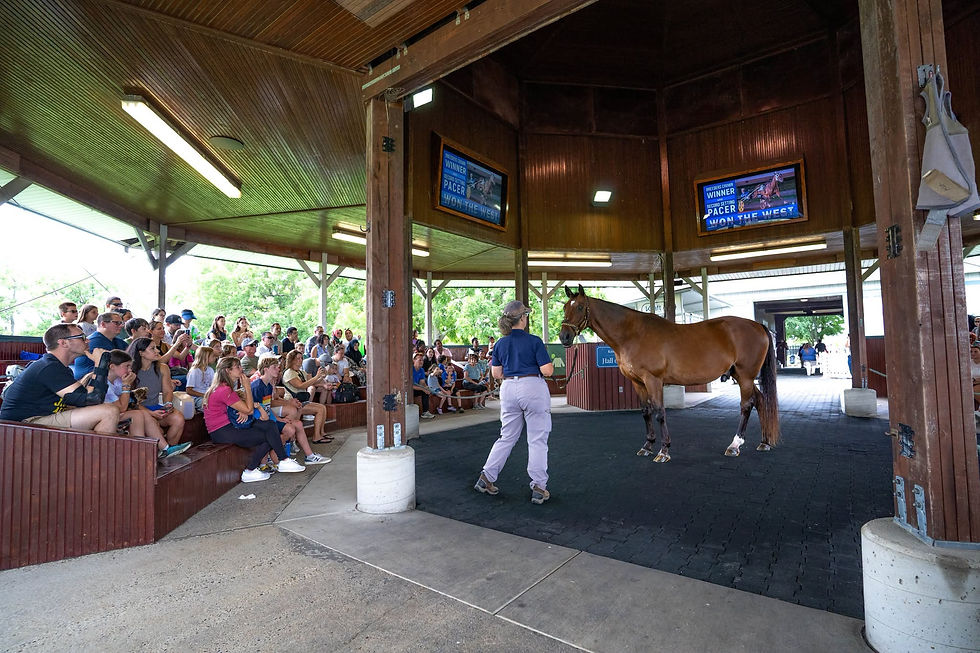
It is our responsibility to protect the role horses have played in our heritage. To recognize that horses benefit our community in numerous ways. Economically. Personal well-being. Quality of life.
But it doesn’t end there. We must continue to preserve our equine culture for future generations. To remember how horses blazed the trail for generations before us. How they can be connected to us in unexplainable ways. And how we should celebrate them every day, never taking for granted their impact on humanity, and being thankful for their companionship.


